We have been working since 2008
and provide high-quality services
5
Rating based on
reviews from our
customers
Daily from 8:00 to 20:00
We have been working since 2008
and provide high-quality services
5
Rating based on
reviews from our
customers
Daily from 8:00 to 20:00
06 October 2025
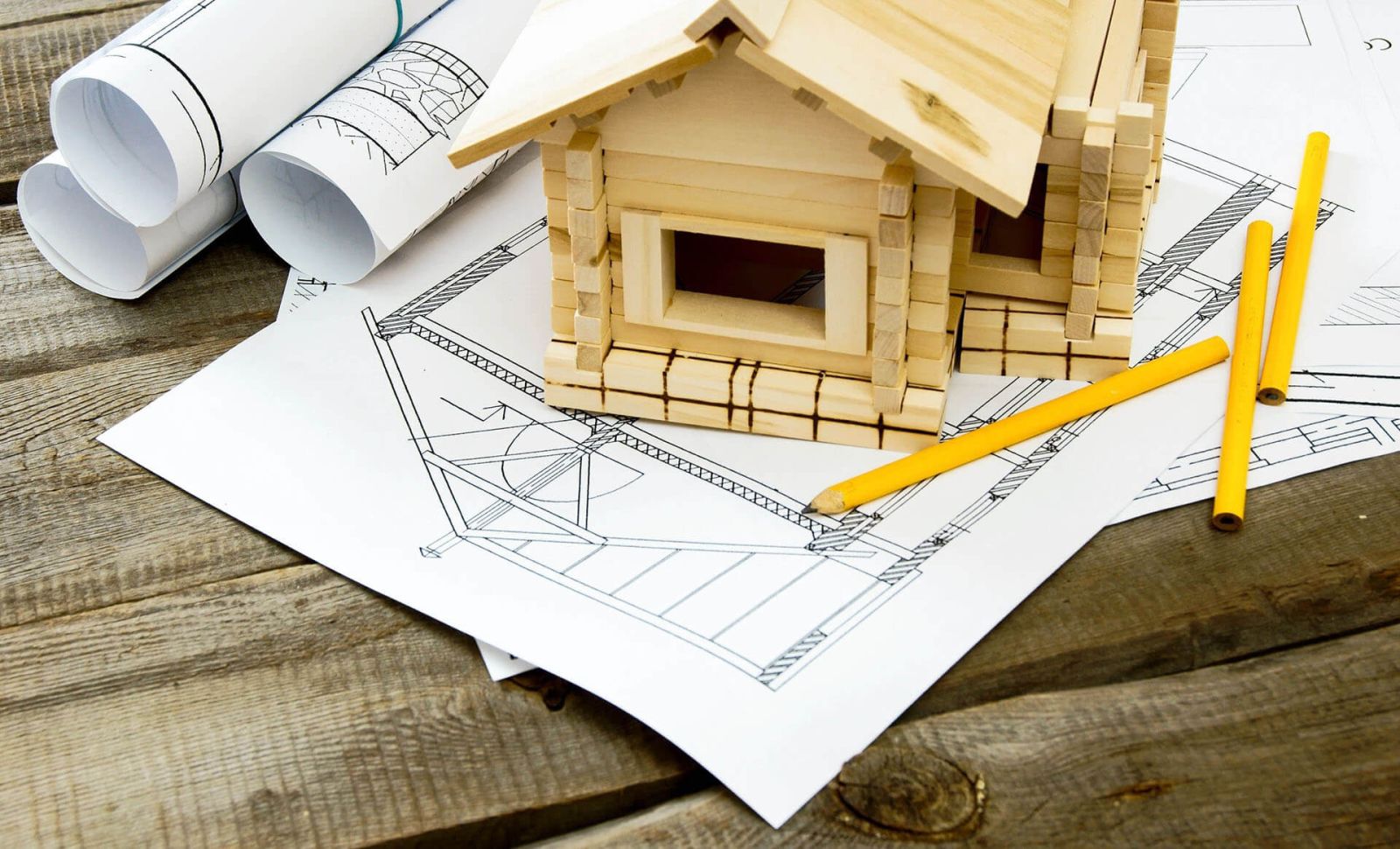
The construction of any facility involves several stages. Typically, this process includes design, site selection, documentation, cost estimate preparation, and the actual construction of the building. This also includes installing utilities and finishing work—both exterior and interior. Taking all these factors into account, here are 10 common mistakes that occur in this process:
Even a small project shouldn't be started without preliminary preparation and material calculations. Otherwise, the owner risks running over budget and ending up with only the walls being erected.
Geological surveys are also among the most important activities. They determine the lifespan of the house, as well as the optimal choice of foundation type.
Mistakes in choosing the right foundation type directly impact the shortening of a home's lifespan. Typically, professionals build strip or columnar foundations. The most common mistake is using columns in a strip foundation. This arrangement of elements only supports certain sections of the strip, and if the soil moves, the foundation will collapse.
Properly organized work in this area involves laying roofing felt and glass fiber insulation between the base and foundation. Meltwater drainage is also a consideration, requiring the formation of a blind area on a compacted clay layer.
In this case, there's a risk of the house freezing quickly and losing energy savings. As a result, utility bills for heating will increase by 20-25%.
Moisture inevitably leads to wall deterioration and the growth of microorganisms in the home. To avoid such problems, it's essential to include an exhaust and ventilation system in the home's plan. Installing such systems helps avoid unnecessary repair costs later.
It often happens that utilities are only considered after the house's shell is erected. For this case, a design is needed. This document specifies the locations for the water supply, electrical, heating, ventilation, air conditioning, and other systems.
When filling holes with foam, it's crucial to cover it with plaster or putty. Otherwise, the foam will deteriorate over time due to exposure to temperature and moisture.
A well-built house is evidenced by the absence of frequent major repairs. Brick is best for this process, as it requires specialized mortars. It's important to follow the laying technique, otherwise the finished building may be susceptible to shifting and wall deformation.
It's best to entrust the house construction process to construction companies. They typically offer a turnkey service, which involves completing all stages in the required sequence and delivering the finished project to the client. Errors often occur when different teams work at different stages, due to a lack of coordination between each other throughout the process.
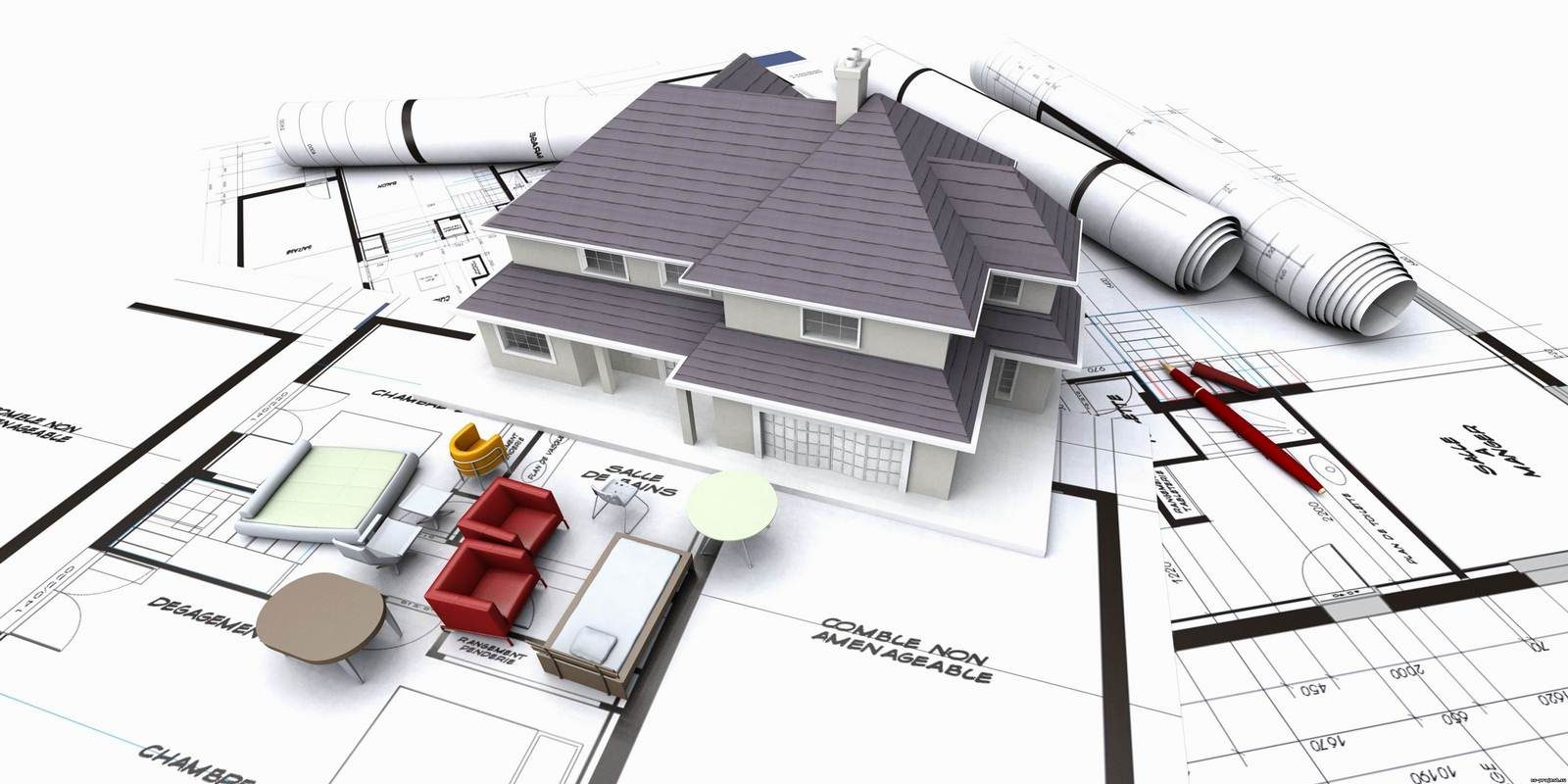
To avoid mistakes, it's advisable to heed the advice of experts:
All these tips will help you avoid serious mistakes when building a house and manage your finances economically.